Masking Applications
There are hundreds of uses for masking tape. Traditionally masking tape is associated with painting applications, although the term masking tape can be found in a variety of operations. From lightweight packaging applications where hand-tearable and removability are key features to more sophisticated requirements of masking circuit boards with polyimide film tapes. The key factor is determining the critical attributes required for the application, such as the environment, surface, and coating or paint. One popular brand we supply is SpecTape but we do have options from major manufacturers such as 3M, IPG and Shurtape depending on what’s best for your application.
As an industrial tape supplier, our team at the Englewood Industrial Solutions can provide you with the guidance or products you need. Learn more about industrial masking tape applications below.
Characteristics and Technical Considerations
Adhesion:
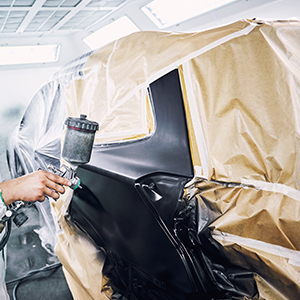
Adhesion is a crucial factor to consider when selecting the right tape for industrial masking applications. It refers to how well the tape sticks to the surface it is applied to. Most technical data sheets reference adhesion to stainless steel. However, your surface may not be stainless steel, so you will need to evaluate basic adhesion to your surface, as different surfaces have different energies, and some surfaces may repel the adhesive on the tape.
Quick stick or tack is important to consider as it will determine the success of your finished masking project. This refers to how quickly the tape sticks to the surface after it is applied. A tape with a good quick stick is easier to use and reduces the risk of tape failure during the masking process.

Conformability:
The data sheet will reference elongation, and this is dependent on the carrier. The carrier material of the tape plays a significant role in determining its conformability. For example, crepe paper carriers have a textured surface that allows the tape to stretch, which makes it more flexible and able to conform to curved lines. This makes it ideal for use in areas where masking is required, such as when painting or powder coating.
On the other hand, tapes with polyester carriers used in powder coating do not stretch and are more suitable for straight lines. This is because the polyester carrier material has a smoother surface and does not have the same level of texture and stretch as crepe paper materials.
Removal:
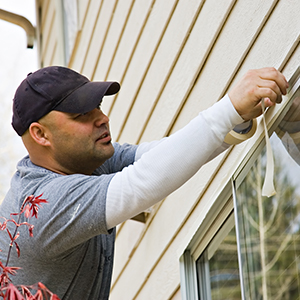
Removal is a critical factor to consider when selecting the right tape for masking applications. The ease with which the tape can be removed from the surface is just as important as how well it adheres to the surface during the masking process. Some of the key considerations when it comes to tape removal include:
- Resistance to shredding and tearing: A good masking tape should resist shredding and tearing while being removed from the surface. This will ensure that the tape doesn't leave behind any pieces or fragments that could impact the quality of the final finish.
- No residue: The tape should not leave any residue or adhesive behind once it is removed. This can be especially important when working with delicate surfaces that may be damaged by the adhesive residue.
- Time allowed for removal: The time allowed for removal can vary based on a number of factors, including the bake cycle, the environment, and the recommendations of the tape and paint or coating manufacturer. Some tapes are designed to be removed while they are still wet, while others require dry stripping.

Paper Masking Tapes
The evolution of blue painters' tape has exploded into a color code world of premium quality industrial masking tapes tailored for specific applications. There are green and yellow masking tapes for home painting projects and pink, light blue, and purple versions for industrial painting applications requiring a high-temperature baking cycle. An industrial masking tape for painting will need to be tailored to the process. If you’re interested in learning more about SpecTape you can visit the product page on our website.
High-Temperature Film Tapes
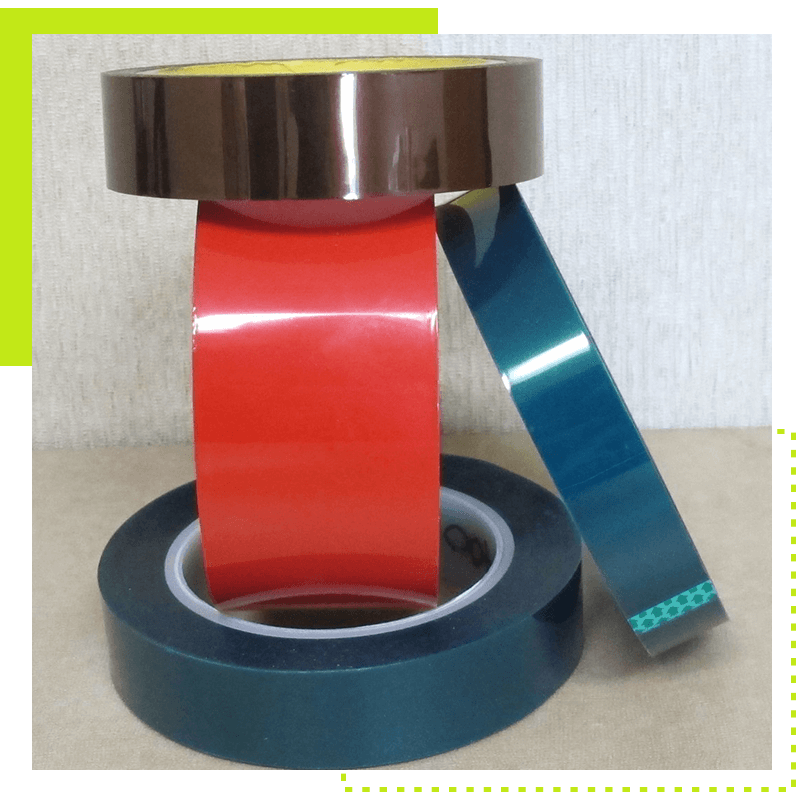
Polyester and polyimide films are used in masking for powder coating, composite, and circuit board operations. These film tapes have silicone or acrylic adhesive systems that withstand high temperatures. Fineline tapes (PVC films with rubber adhesives) are highly conformable and can be used for precise masking and higher-temperature paint systems.

Specialty Masking Tapes
This includes the following: aluminum foil for aircraft window masking, glass cloth for hard, dense coatings, and rubber composite products for sand and media blast. There are also products designed for plasma spray operations in the aerospace and medical device industries.
Let Englewood Industrial Solutions Assist You
Englewood Industrial Solutions can help you choose which industrial masking tape would work best for your application. Contact us today to learn more!